
By the Shiksha Nerd Counselling Team · · Updated 16 July 2026 · *figures approximate — verify with the college
Campus in pictures


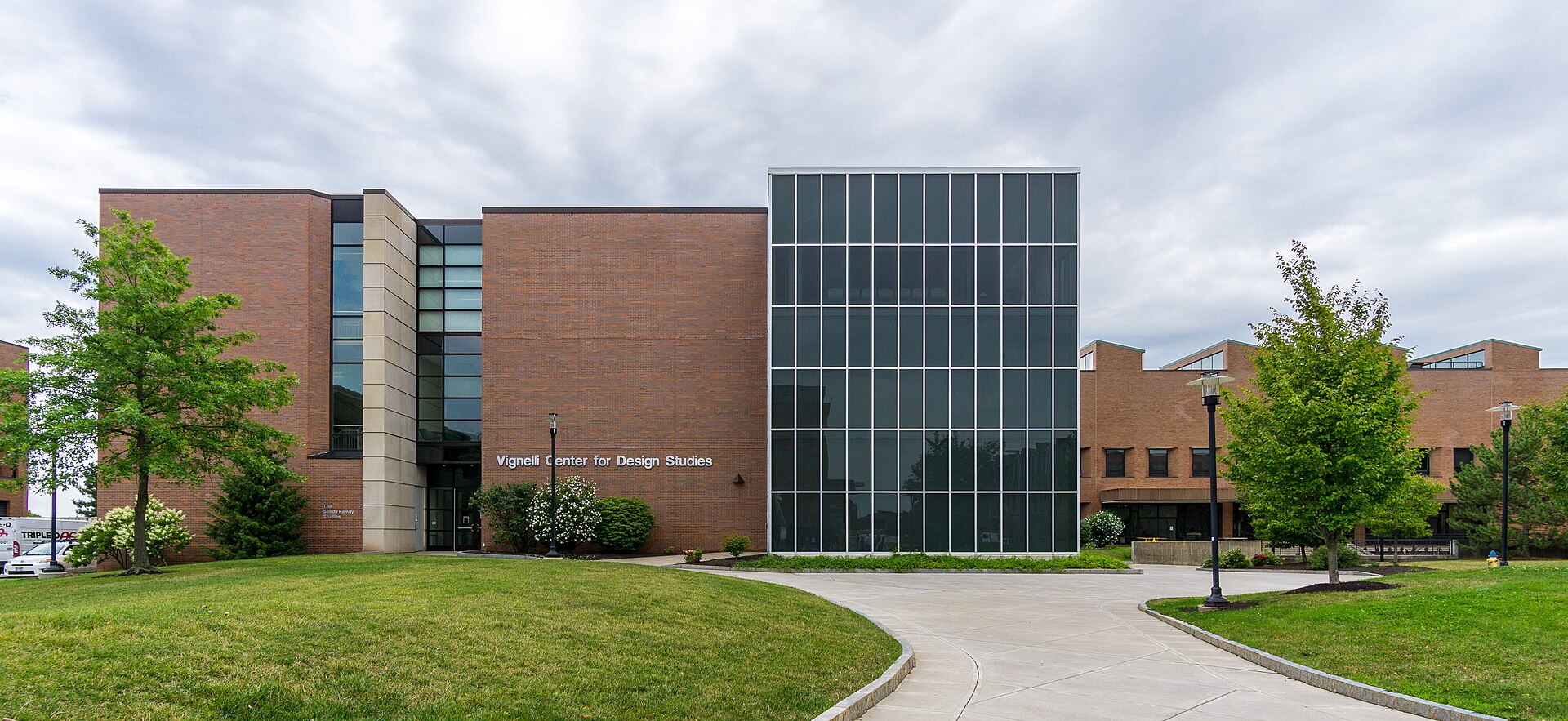
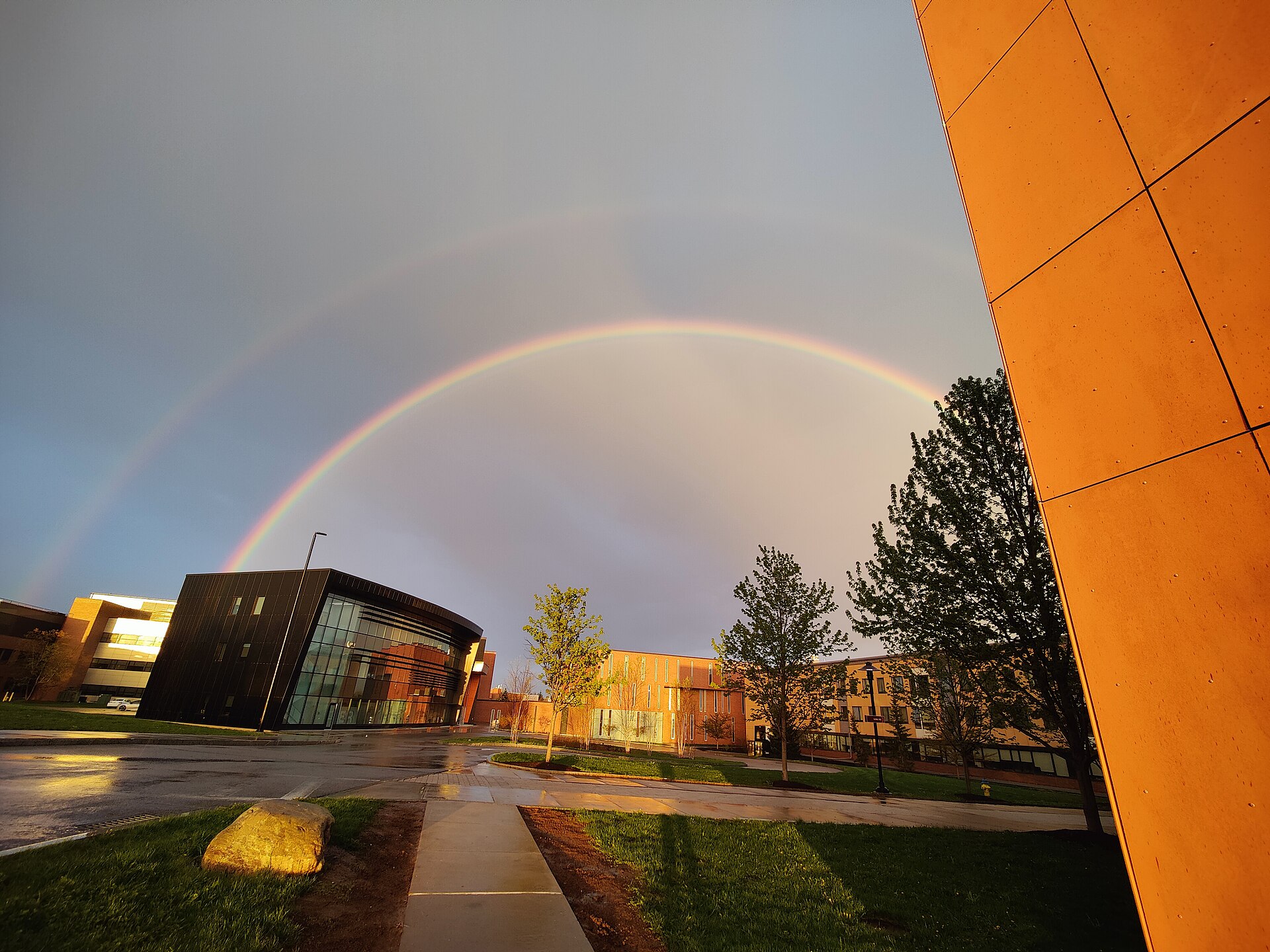


Photos via Wikimedia Commons — SylviaL, Diarmuid Greene, Kenneth C. Zirkel (CC BY-SA 4.0, CC BY 2.0, CC BY-SA 3.0, CC0, Public domain).
Watch our honest review
Introduction
Ramaiah Institute of Technology (RIT), popularly known as RIT Bangalore, has been a staple name in Indian engineering education for nearly three decades. Situated in the tech‑hub of Bengaluru, the college draws students from across the country who are looking for a blend of strong academic foundations and industry exposure.
This guide walks you through everything you need to know before applying – from the courses on offer and fee expectations to the placement landscape and what current students actually think about life on campus.
Overview & Reputation
Founded in 1996 by the Gokula Education Foundation, RIT is approved by the All India Council for Technical Education (AICTE) and is affiliated to Visvesvaraya Technological University (VTU), Belagavi. Over the years, it has built a respectable reputation for delivering solid engineering education, especially in Computer Science, Electronics & Communication, and Mechanical streams. While it may not consistently rank in the top‑10 of national engineering lists, it is often praised for its industry‑linked curriculum and decent placement records.
In the Indian engineering ecosystem, RIT is considered a “mid‑tier” institution – not as elite as the IITs or NITs, but certainly more reputable than many private colleges that lack proper accreditation. Employers in the Bengaluru area recognize the college’s name, and many alumni have progressed to roles in leading tech firms.
Courses & Specialisations Offered (UG)
RIT focuses exclusively on undergraduate engineering programmes. The college currently offers the following Bachelor of Engineering (B.E.) degrees:
- Computer Science & Engineering (CSE)
- Electronics & Communication Engineering (ECE)
- Mechanical Engineering (ME)
- Information Science & Engineering (ISE)
- Electrical & Electronics Engineering (EEE)
- Civil Engineering (CE)
- Artificial Intelligence & Machine Learning (AI&ML) – a newer, interdisciplinary stream introduced in recent years.
Each programme follows the VTU syllabus, with a mix of core theory, lab work, and project‑based learning. The AI&ML and ISE streams have been added to keep pace with industry demand for data‑centric and software‑driven talent.
Fees & Value
RIT’s fee structure is comparable to other private engineering colleges in Karnataka. As of the 2024‑25 academic year, the annual tuition fee typically ranges between ₹1.30 Lakh and ₹1.70 Lakh* for most streams. Additional costs such as hostel fees, mess charges, and exam fees can add another ₹30,000‑₹50,000* per year.
When you weigh the fee against the college’s infrastructure – modern labs, a well‑stocked library, and industry‑linked projects – the value proposition is decent. However, prospective students should also consider the cost of living in Bengaluru, which can be higher than in many other Indian cities.
Admissions Process & Eligibility
Admission to RIT is primarily through the Karnataka Common Entrance Test (KCET) for Karnataka domicile students, and through the COMED‑K (formerly COMED‑K) for students from other states. The key eligibility criteria are:
- Completion of 10+2 with Physics, Chemistry and Mathematics (PCM) as core subjects.
- Minimum aggregate of 45% for general category (40% for SC/ST/PH).
- Valid KCET or COMED‑K rank that meets the cut‑off for the desired branch.
RIT also reserves a small percentage of seats for NRI and management quota candidates, which often have a separate fee structure and may require a higher academic threshold.
Placements & Career Outcomes
RIT’s placement cell is active, especially given its proximity to Bengaluru’s IT parks. The college typically reports a placement rate of around 80‑85%* for the graduating batch. The highest salary packages observed in recent years have been in the range of ₹30 LPA* (approximately $36,000 USD), mainly offered by multinational tech firms for CSE and AI&ML graduates.
The average salary package tends to hover between ₹6‑9 LPA* (≈ $7,200‑$10,800 USD). While these figures are respectable, they are lower than the averages at top‑tier private colleges in the same city. Placement opportunities are strongest for CSE, ISE, and AI&ML streams, with companies like Infosys, Wipro, TCS, Accenture, and several startups visiting the campus regularly.
For non‑technical streams like Civil or Mechanical, placements are more modest, often in core engineering firms or public sector undertakings, with average packages around ₹4‑5 LPA*.
Campus & Student Life
The RIT campus spans roughly 25 acres in the northern suburbs of Bengaluru, close to the Outer Ring Road. The location offers easy access to the city’s tech corridors while still providing a relatively quiet environment for study.
Key campus facilities include:
- Academic blocks: Air‑conditioned classrooms, state‑of‑the‑art labs for electronics, robotics, and AI.
- Library: Over 50,000 volumes, digital subscriptions, and a dedicated reading zone.
- Hostels: Separate boys’ and girls’ hostels with mess facilities offering both vegetarian and non‑vegetarian options.
- Sports & recreation: Cricket ground, basketball court, indoor gym, and a small auditorium for cultural events.
- Clubs & societies: Coding club, robotics society, cultural fest “RIT Fest”, and various entrepreneurship cells.
Student life is a mix of academic rigor and extracurricular activities. The college’s annual tech fest “TechnoRIT” attracts participants from across the state, while cultural events provide a platform for music, dance, and drama enthusiasts.
What Students Actually Say – Pros & Cons (Synthesised from Discussions)
Although there are limited Reddit threads specifically about RIT, student forums and alumni groups consistently highlight a few recurring themes.
Pros
- Industry exposure: Many students appreciate the college’s tie‑ups with local tech firms, leading to internships and live projects.
- Location advantage: Being in Bengaluru, students find it easier to attend company drives and networking events.
- Faculty mix: While some professors are seasoned academicians, several industry professionals bring practical insights into the classroom.
- Hostel environment: The hostels are considered safe and reasonably comfortable, with a supportive senior‑junior culture.
Cons
- Infrastructure gaps: A few students mention that some labs, especially in Mechanical and Civil streams, need modernization.
- Placement disparity: Non‑CSE branches often report lower placement percentages and salary offers.
- Administrative delays: There are occasional complaints about slow processing of certificates and fee refunds.
- Campus crowding: During exam periods, the library and study areas can become overcrowded.
Overall, the sentiment leans towards a “good enough” experience – solid for students who are proactive about internships and skill‑building, but less ideal for those relying solely on campus placements.
Who This College Is Right For
If you are an Indian student who:
- Values a campus located in a major tech hub.
- Wants a respectable engineering degree without the ultra‑high fees of elite private institutions.
- Is willing to supplement classroom learning with self‑study, internships, or certifications.
- Is comfortable navigating occasional administrative hiccups.
RIT could be a fitting choice. However, if you are looking for guaranteed high‑salary packages across all branches, or a campus with top‑tier research facilities, you might want to explore alternatives.
Verdict – An Honest Take
Ramaiah Institute of Technology offers a pragmatic engineering education in the heart of India’s Silicon Valley. Its strengths lie in a decent placement record for tech‑oriented streams, a strategic location, and a reasonable fee structure. The college does have room for improvement in infrastructure and consistency across all branches. For students who are self‑driven and can leverage Bengaluru’s ecosystem, RIT can be a solid stepping stone toward a tech career.
Location & how to reach
RIT · Get directions on Google Maps →
Frequently asked questions
What is the minimum eligibility criteria for B.E. admissions at RIT?
You must have completed 10+2 with Physics, Chemistry and Mathematics, secured at least 45% (40% for SC/ST/PH), and have a valid KCET or COMED‑K rank that meets the branch cut‑off.
How much does an undergraduate program cost at RIT?
Annual tuition fees range between ₹1.30 Lakh and ₹1.70 Lakh* depending on the branch. Hostel and other charges add roughly ₹30,000‑₹50,000* per year.
What are the placement statistics for the latest batch?
RIT reports an overall placement rate of about 80‑85%*. The highest salary observed is around ₹30 LPA* and the average package lies between ₹6‑9 LPA*.
Does RIT have any special programmes for AI and Machine Learning?
Yes, the college introduced a B.E. in Artificial Intelligence & Machine Learning in recent years, aimed at providing interdisciplinary training in data science, AI algorithms, and industry projects.
Is there a hostel facility for out‑station students?
RIT provides separate boys’ and girls’ hostels with mess facilities. The hostels are considered safe and have a supportive senior‑junior culture.
How does RIT compare with other engineering colleges in Bengaluru?
RIT is a mid‑tier college. It offers decent placement opportunities for CSE and related streams, but its infrastructure and placement outcomes may lag behind top private institutes like BMSIT or PESIT.
Considering RIT? Get an honest, personalised opinion — is it the right fit for your profile, budget and goals? Talk to a Shiksha Nerd counsellor for free.
Book a free counselling call →